
Grab a free trial and go bananas!
- Download all lessons to PDF
- Download and edit all resources
- Share lessons with your colleagues
- Save favourite lessons for later

Phonics Companion Set 1 - Focus Tt
Learning Intention: Recognise, write and make the common sound for the letter /t/.
Phonics Companion Set 1 - Focus Tt
Learning Intention: Recognise, write and make the common sound for the letter /t/.


- Counters, red or green if possible
- Whiteboard markers
- Ten or more tossing bean bags or hacky sacks
- Coloured pencils
- Scissors
- Glue
Foundation - AC9EFLY11
- I can identify and make the common sound for /t/.
- I can locate the letter Tt in print.
- I can attempt the correct formation of the letter Tt when writing.
Modelled
Introduce the Learning Intention and explain the focus for today’s lesson.
Have students cover their eyes. Make the sound /t/ clearly for students to hear. Upon opening their eyes, ask: What did you hear? Allow time for students to respond.
Explain: Today, we’re going to start learning about the sound /t/. Make that sound for me. Students repeat the sound back
Explain: The sound /t/ is most often shown with a symbol that looks like this. Display or write the lowercase letter t and the capital letter T.
Explain: This is the letter Tt and it makes the sound /t/. What sound does it make?
Turn and talk: I want you to make the sound /t/ 3 times with me.” Together, make the /t/ sound 3 times.
Ask: Can you think of any things or words that begin with the sound /t/? I want you to turn and talk to someone nearby about some words where you can hear the /t/ sound at the beginning. Students take part in turn and talk.
Come back as a group and brainstorm words that begin with the sound /t/. Use picture prompts and include any student names or familiar items within the classroom.
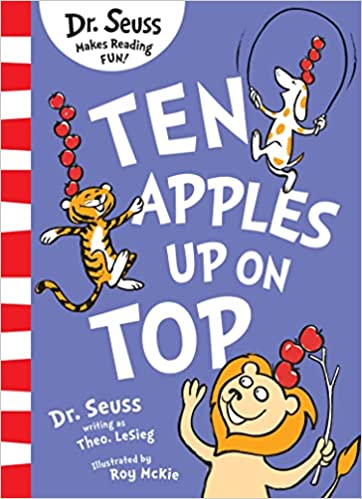
Introduce the Story book: “Ten Apples up on Top” by Dr Suess. We can hear some words that begin with the sound /t/ in our story today.
Ask students:
- Can you see words that begin with /t/?
- Can you spot some letter T’s on the cover?
- What do you think this story could be about?
- What do you notice about the picture on the cover?
Guided
After reading, discuss what happened in the story.
Represent 10 apples using a picture for each, or play-objects in the classroom. As a class, count out ten apples modeling the concept of counting with one-to-one correspondence.
Ask students: Could you balance ten apples on your head? Let’s pretend we’re in the story and have a go.
Use ten mini, tossing, bean bags to model the concept of balancing ten, pretend apples on your head. Allow a small number of students to attempt this and allow other students to assist with adding more beanbags one at a time.
Independent
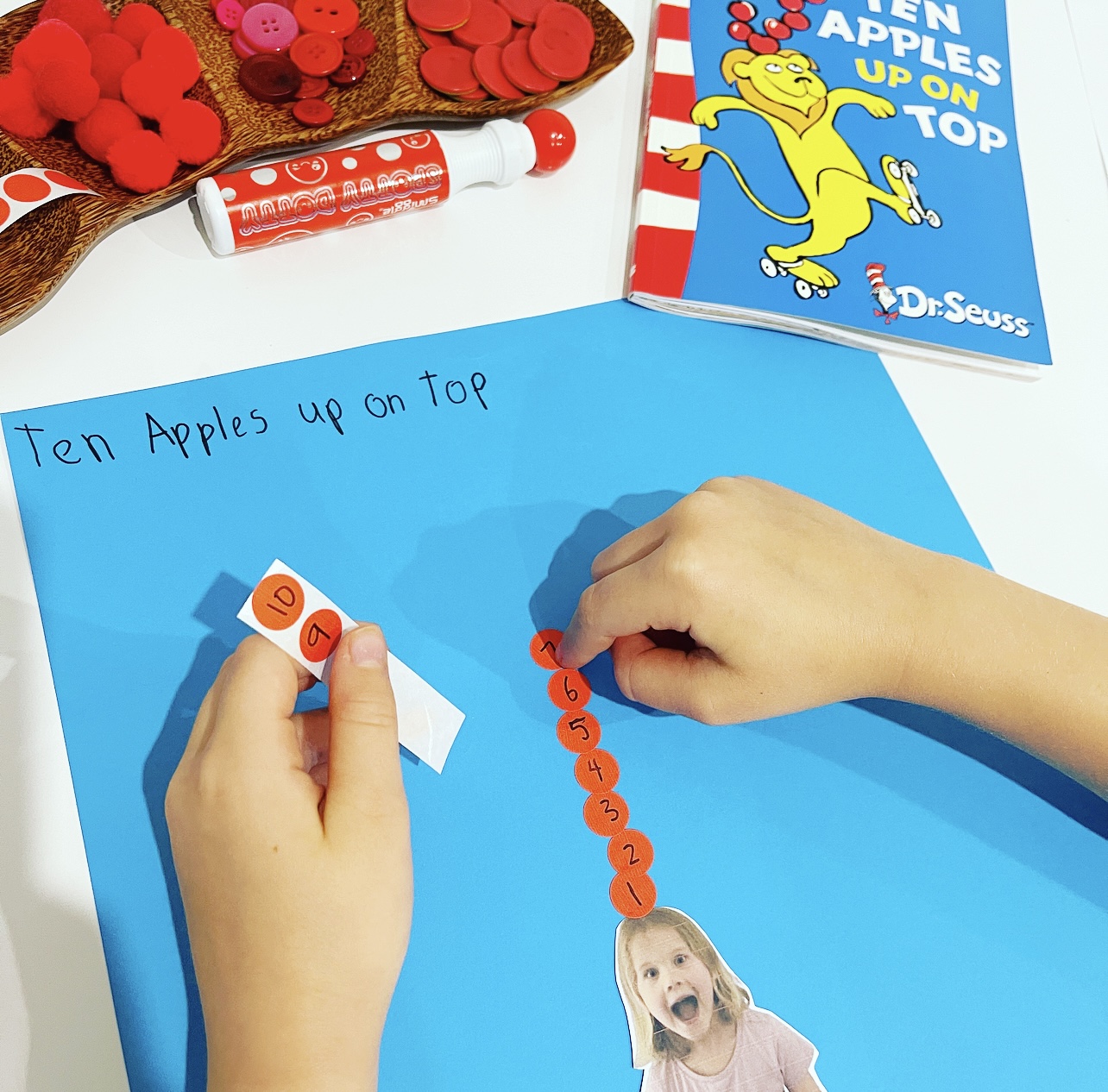
Prepare a black and white photo of each student on A4 paper prior to this lesson. Alternatively, students could be provided with a template and blank mini portrait outline to draw themselves onto their paper. Provide students with their photo and explain that they’re going to create a picture to match the story using themselves as the character.
Have students count out 10 counters to represent 10 apples. Alternatively, pom poms or unifix cubes could be used. These 10 loose pieces can be placed on top of their photo, above their head, to replicate the story. Ensure students have counted their 10 items correctly, encouraging their voice and finger to match as they count.
Ask: How many apples are up on top? Allow students to respond with “Ten Apples up on Top”.
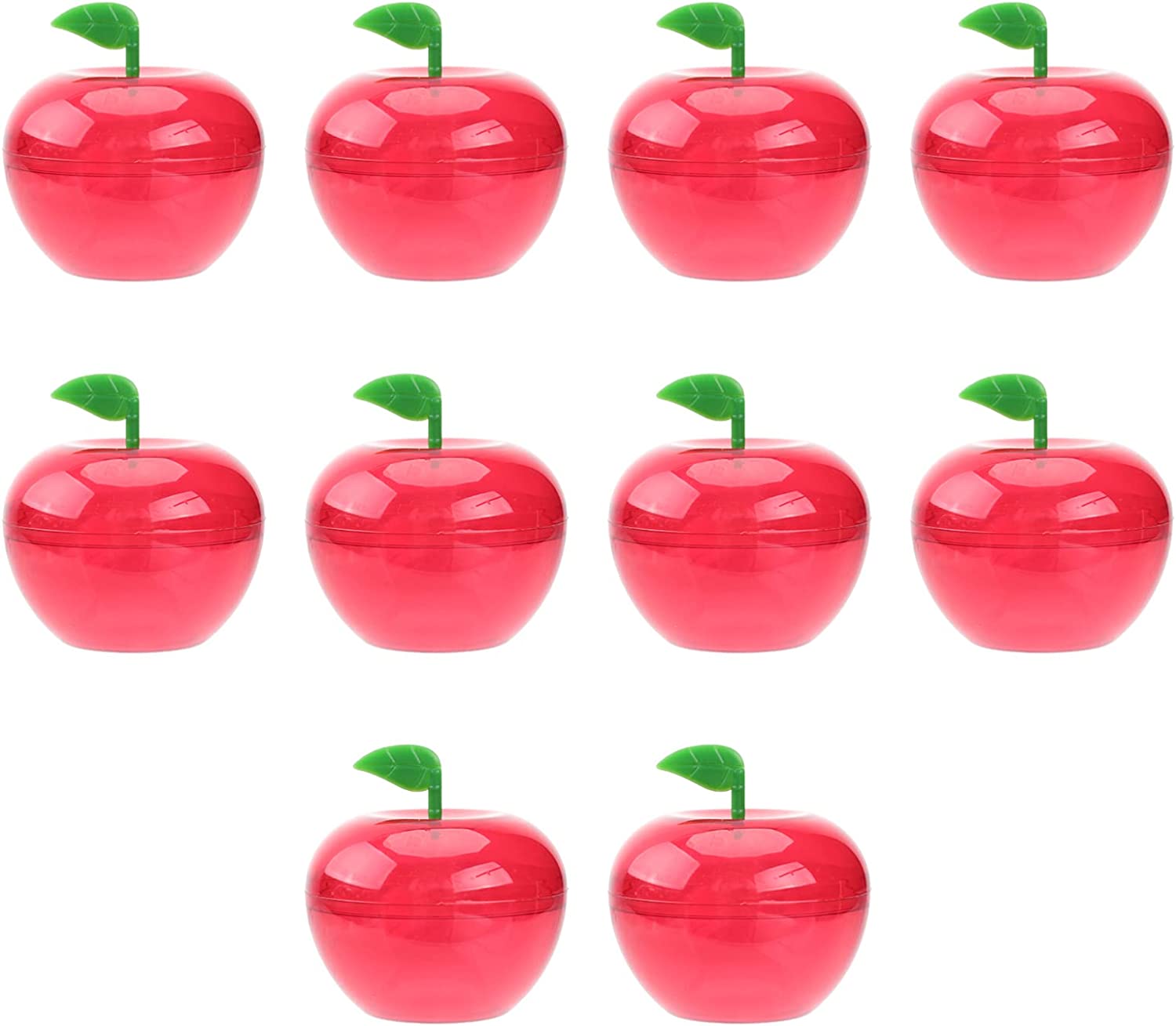
Provide students with red dot stickers, red pom poms or a strip of 10 printed mini apples for cutting.
- Use this lesson as an opportunity to explicitly model and visit the skill of counting with one-to-one correspondence. Have students count 10 counters slowly and clearly by matching their finger to the counter with their voice as you count together.
- If necessary, provide students with 10 counters, rather than asking them to count out 10 from a larger pile.
- Have prepared stickers with numerals 1-10 already written on them for students who may find this task challenging.
- Allow students to explore number amounts from 1 to 10 using numeral cards and loose pieces. Ask students to order their number cards from 1 to 10 and place items underneath to display each amount.
- Provide small groups of students with a hoop or circle made with string. Ask “How many ways can you make 10?” Allow students to show 10, using a variety of options within their classroom. Examples may include counters, loose pieces, blocks connected together, toy cars, writing the numeral, threading 10 beads onto string, creating the word ‘ten’ using magnetic letters, and more.
Use play food to retell this awesome story.
Great resources for many uses in the Kindy classroom.
- Formative assessment:
- Observe student engagement and participation in this introductory lesson.
- Monitor student pronunciation of the /t/ sound and explicitly model this more than once.
- Demonstrate the correct formation of the written letter Tt, with a focus on beginning at the top and moving your writing utensil downwards.
- Using an apple outline template, students can roll a standard dice and represent the amount shown using seeds onto an apple. Dried black beans work perfectly for this activity. This simple roll and make game allows students to be introduced or practice the skill of subitising with small amounts.
- Alternatively, create an apple craft: e.g. using an apple or two, cut into halves, support students to stamp using red paint. A display could be made for the classroom with amounts stamped from 1 through to 10 apples.
Sign up for hundreds more lessons like this!
Access over 600 lessons, 50 units and oodles of premium editable resources to suit the literacy needs of K-6 students.Start a 7 day free trial today!